Find the Leading Inflatable Boats: Characteristics, Benefits, and Purchase Guidance
Inflatable boats have gained popularity for their versatility and practicality. They are compact, simple to move, and appropriate for numerous activities, from casual excursions to angling ventures. However, selecting the right model requires thorough assessment of various elements. Grasping important features and benefits can substantially affect the decision-making process. As potential buyers explore their options, they must consider different aspects to make certain they select a boat that truly fits their needs. What should they prioritize?
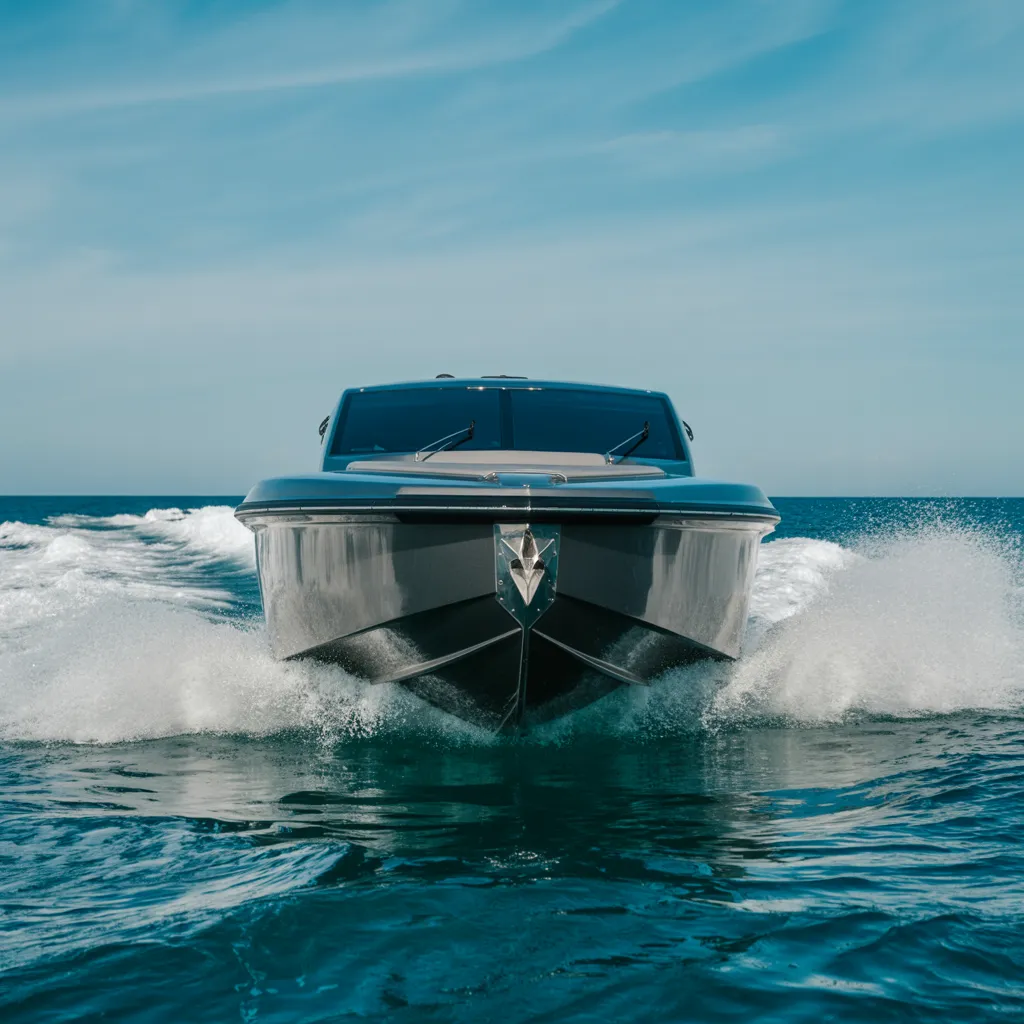
What Makes Inflatable Boats Special and Why Select Them?
Inflatable watercraft, engineered to be light and convenient to transport, have experienced growing popularity among aquatic recreation lovers for multiple reasons. These adaptable craft are built from robust materials like PVC or Hypalon, providing an ideal combination of pliability and durability. Their buoyant design allows for stability on various water bodies, making them suitable for activities like fishing, leisure cruising, and even rescue operations.
One of the primary advantages of inflatable boats is their portability. They can be deflated and folded into compact bags, making them excellent for those with limited storage space or for adventurers who travel to remote locations. Additionally, many models are designed for quick inflation, allowing users to launch without significant setup time. Cost-effectiveness also plays a role, as inflatable boats often present a more affordable alternative to traditional hard-shell boats, attracting both newcomers and seasoned enthusiasts alike.
What Features Should You Look for in an Inflatable Boat?
In choosing an inflatable boat, potential buyers should consider several important features that can greatly impact their enjoyment on the water. Initially, the build material of the boat is important; options like PVC or Hypalon provide varying strength and resistance to UV damage and punctures. Additionally, the boat's size and load capacity dictate how many passengers and equipment can be carried, affecting the boat's general functionality.
A further crucial element is the type of flooring; hard floors deliver better stability and performance, while inflatable floors are lighter and more portable. Furthermore, features such as incorporated storage compartments, safety handles, and multiple air chambers improve safety and convenience.
In conclusion, motor compatibility may be required for those desiring greater speeds or extended range. Assessing these attributes ensures that purchasers select an inflatable boat that satisfies their specific needs and improves their pleasure on the water.
Analyzing Leading Inflatable Boats for Leisure and Entertainment
Within the field of inflatable boats intended for recreation and enjoyment, multiple key attributes have a substantial impact on consumer choices. Analyzing popular brands reveals specific advantages suited to diverse usage scenarios. Potential buyers can utilize knowing these components to make informed determinations that best align with their recreational needs.
Essential Features To Review
Picking the right inflatable boat for leisure and recreation requires thoughtful evaluation of several key features. First, the boat's material is essential; robust materials like PVC or Hypalon offer defense from punctures and UV damage. Furthermore, the boat's size and weight capacity should correspond to intended use and the number of passengers. Stability is another vital aspect, often influenced by the boat's design and shape. Additionally, ease of inflation and deflation can substantially influence convenience, making models with integrated pumps more desirable. Storage options, such as built-in compartments, enhance usability for day trips. Finally, portability is significant; lighter models enable transport and storage, making them excellent for recreational users. Examining these features ensures a satisfying boating experience.
Leading Brands Overview
Understanding the essential features of inflatable boats sets the stage for exploring leading brands that cater to leisure and recreation. Recognized brands such as Intex and Sea Eagle expert guide offer a range of options designed to casual users, emphasizing durability and ease of setup. Intex is known for its affordability and lightweight designs, making it a favorite for families. Sea Eagle, on the other hand, is celebrated for its robust construction and versatility, suitable for various water activities. For those seeking premium options, brands like Zodiac and Achilles deliver high-performance models constructed from strong materials, ensuring longevity. Each brand presents unique characteristics, enabling consumers to select the perfect inflatable boat for their recreational needs.
Implementation Scenarios Explained
Although different inflatable boats serve specific purposes, their design and features can considerably influence the total experience. For leisure activities, such as fishing or casual cruising, boats with larger decks and comfortable seating are often favored. These models typically offer stability and ease of navigation, boosting relaxation on the water. On the other hand, for recreational sports like white-water rafting, streamlined inflatable kayaks or rafts are ideal. They are designed for agility and durability, permitting users to tackle rough waters effectively. Moreover, some inflatable boats cater to family outings, combining safety features with spacious interiors. Understanding the intended usage scenario is vital in selecting the right inflatable boat, ensuring peak performance and enjoyment for different activities.
Assessing the Best Inflatable Boats for Fishing Excursions
Upon beginning a fishing adventure, picking the right inflatable boat can substantially elevate the overall experience. The ideal inflatable boat for fishing should focus on stability, enabling anglers to cast lines without the wobble that can disturb focus. A boat with a higher weight capacity can support more gear and passengers, which is vital for longer trips.
Furthermore, features such as built-in rod holders and storage compartments can significantly increase convenience. The material of the boat also plays a vital role; puncture-resistant fabrics ensure durability against challenging terrains and sharp objects. Furthermore, portability is critical; lightweight designs are less difficult to transport and inflate, making spontaneous fishing trips more achievable.
Finally, analyzing the best inflatable boats for fishing necessitates evaluating these crucial features to secure a fruitful and delightful outing on the water.
Essential Aspects Influencing Inflatable Boat Costs
Several key elements determine the pricing of inflatable boats, influencing both starter and premium models. The fabric used in construction holds a major role; boats made from sturdy PVC or Hypalon commonly demand higher prices on account of their long-lasting nature and resistance to punctures. Moreover, the size and weight capacity of the boat can alter costs, as larger models often need more materials and complex design components.
The reputation of the brand likewise influences pricing, with established manufacturers often charging more for their trustworthiness and service quality. Features like integrated storage, seating, and motor compatibility can also boost a boat's price. Additionally, seasonal demand and market trends might influence pricing fluctuations. Buyers should consider these factors carefully to make certain they select an inflatable boat that meets their needs while staying within their budget.
Maintenance Tips for Inflatable Boats
Correct maintenance is crucial for guaranteeing the longevity and performance of inflatable boats. Frequently inspecting the boat for punctures or abrasions is essential; using a patch kit for minor repairs can prolong its life. Cleaning the exterior with mild soap and fresh water after each use assists in preventing the accumulation of salt, dirt, and algae, which can degrade materials.
Storage represents another essential consideration; letting the air out and storing it in a cool, dry place guards it against UV damage and extreme temperatures. Preventing contact with sharp objects during transport and handling also decreases potential damage.
Furthermore, examining and upkeeping the valves and inflation systems ensures proper buoyancy and performance. Regularly applying a protectant formulated for inflatable materials can additionally extend the boat's lifespan. Implementing these maintenance tips can substantially enhance the durability and reliability of inflatable boats.
Choosing the Best Inflatable Boat for Your Purposes?
Picking the right inflatable boat can appear daunting, but understanding specific needs and intended uses eases the process. Initially, potential buyers should consider the boat's primary purpose, whether for fishing, leisure, or rescue operations. Each activity needs different features, such as stability, seating capacity, and durability.
Next, the material is critical; durable PVC or Hypalon offers durability and protection against punctures. Size is a further consideration; more compact boats are easy to transport, while more spacious models provide extra space but may require additional storage.
In addition, consider the convenience of inflation and deflation, along with the boat's weight and portability. Accessories, such as oars, pumps, and safety gear, should also be incorporated into the budget. Eventually, examining these components allows individuals to find an inflatable boat that fulfills their unique demands and enriches their experience on the water.
Frequently Asked Questions
How Can I Properly Store My Inflatable Boat?
To store an inflatable boat properly, confirm it is clean and dry, deflate it completely, fold it carefully, and store it in a cool, dry location out of reach of direct sunlight and sharp objects.
Could Inflatable Boats Be Utilized in Rough Waters?
Inflatable boats may be utilized in choppy waters when engineered for these circumstances. Characteristics such as strengthened construction and adequate flotation improve functionality, however vigilance is critical to ensure security and steadiness in rough conditions.
How Long Does an Inflatable Boat Last?
The typical lifespan of an inflatable boat spans from 5 to 15 years, influenced by factors such as material quality, maintenance, and usage conditions. Good care practices can considerably extend its longevity and performance in multiple environments.
Are Kids Safe in Inflatable Boats?
Inflatable boats may provide safe experiences for children with proper supervision. Children must always wear life jackets, and adults need to verify the boat is suitable for the water conditions. Safety protocols considerably strengthen child protection during water activities.
How Do I Repair a Punctured Inflatable Boat?
To mend a punctured inflatable boat, find the leak, prepare the area, apply a appropriate adhesive patch, and let it to cure entirely. Routine inspections can aid in preventing future punctures and ensure safety during use.